The apparel industry continues to grow, attracting buyers worldwide. A recent report by Statista indicates that the global apparel market is expected to reach 1.5 trillion U.S. dollars by 2025. This growth raises an important question: what apparel categories sell the most?
Research shows that categories like activewear, casual wear, and sustainable clothing are leading sales. According to a Nielsen report, nearly 70% of consumers prefer brands that demonstrate sustainability. This trend highlights the growing demand for eco-friendly apparel.
However, it's not just about trends. Brands must adapt to shifting consumer preferences. The challenge lies in forecasting what apparel categories sell the most in a volatile market. An over-reliance on data can lead to missed opportunities. Thus, continuous market analysis and consumer engagement are crucial for success. The landscape is ever-changing, and understanding these dynamics is vital for any brand aiming to thrive in this competitive environment.
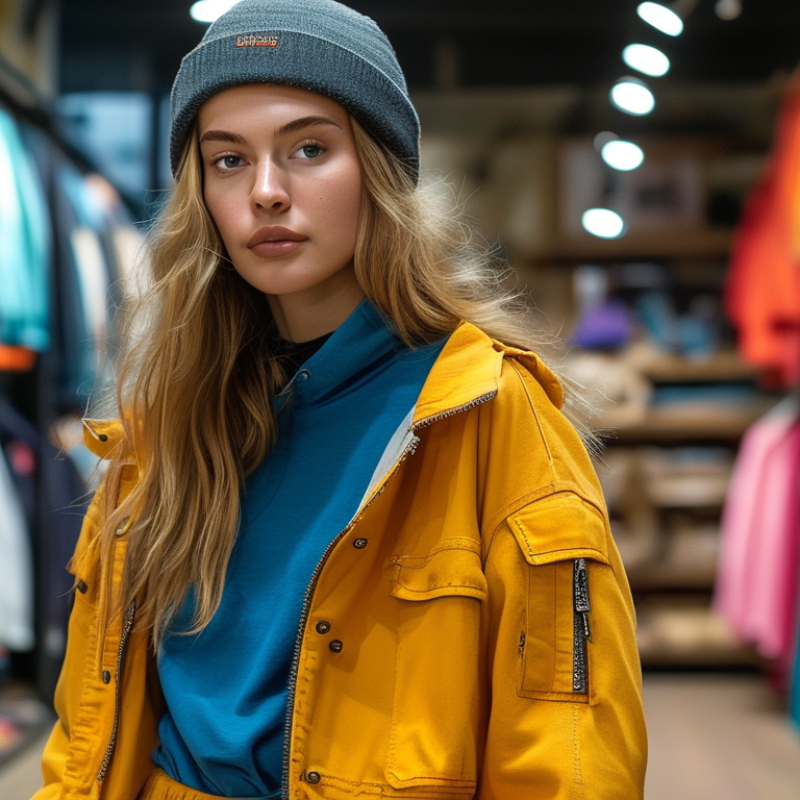
Top Apparel Categories by Global Sales Volume
The global apparel market presents a diverse range of categories. Apparel like activewear continues to dominate sales. Consumers seek comfortable yet stylish clothing. This category reflects a growing trend towards wellness and fitness. Brands that offer versatile activewear often report higher sales volumes.
Denim remains a staple in wardrobes worldwide. The texture and durability of denim appeal to a wide audience. Jeans can be dressed up or down, making them highly versatile. However, the fast fashion movement has led to overproduction and waste. This raises questions about sustainability in denim production. The balance between style and eco-friendliness is still a critical challenge for the industry.
Moreover, outerwear has seen consistent growth. Jackets and coats must blend fashion with functionality. Seasonal influences dictate the types of outerwear that sell best. Trend shifts can happen quickly, making it hard for retailers to adapt. Awareness of consumer preferences is essential for success. Retailers often need to predict shifts in demand accurately.
Factors Influencing Apparel Sales Among Global Consumers
Apparel sales are influenced by various factors in the global market. Style preferences can vary widely among regions. Trends like sustainability are gaining traction. Many consumers are increasingly looking for eco-friendly materials. This shift affects purchasing decisions, as buyers seek brands that align with their values.
Pricing plays a critical role in apparel choices. Shoppers often compare prices online before making purchases. Discounts and promotions can directly impact sales volumes. Additionally, social media trends influence buyer behavior. Many consumers are swayed by influencers promoting specific styles. The visual appeal of clothing on social platforms creates a strong desire to buy.
Cultural differences also shape consumer preferences. For example, color choices can differ significantly. In some cultures, certain colors symbolize good fortune, while in others, they might represent caution. Understanding these nuances is essential for brands. Many companies need to consider local customs and traditions when developing their marketing strategies. This can lead to a more tailored and effective approach.
Regional Variations in Popular Apparel Categories
Regional variations in apparel preferences highlight how cultural, climatic, and economic factors shape buying habits. In Europe, for instance, luxury items and formal wear have a strong market presence. Warm climates in regions like Southeast Asia favor lightweight, breathable fabrics, which drive sales of casual and sportswear. Meanwhile, North America shows a diverse range of categories, with an emphasis on activewear and athleisure. This reflects a lifestyle increasingly focused on health and fitness.
Moreover, emerging markets present unique trends. In Africa, vibrant colors and local craftsmanship are prioritized. There is a growing demand for affordable yet stylish clothing. Consumers seek pieces reflecting their cultural heritage. This indicates a shift from purely global brands to local designs gaining traction. In Latin America, sustainable fashion is rising. Shoppers are more conscious of environmental impacts. They favor brands that align with their values.
Understanding these regional nuances is essential for businesses. These variations require tailored marketing strategies. A one-size-fits-all approach may fall short. There is a need for brands to listen closely to local consumers. Constant reflection on these dynamics can enhance product relevance and drive sales effectively.
Emerging Trends in Global Apparel Purchasing Habits
Emerging trends in global apparel purchasing habits reveal a shift toward sustainability. Consumers are increasingly considering the environmental impact of their clothing choices. Eco-friendly fabrics are gaining popularity, with shoppers seeking alternatives to traditional materials. Many prefer items made from organic cotton, recycled fibers, and biodegradable textiles.
Another notable trend is the rise of online shopping. Buyers are now more accustomed to exploring and purchasing apparel through digital platforms. Social media influences their choices significantly, shaping preferences and enabling quick access to the latest styles. However, this can lead to decision fatigue, as the overwhelming options may cause confusion. Being mindful of this information overload is essential as consumers navigate fashion trends.
Global buyers are also favoring quality over quantity. There’s a growing appreciation for well-made, timeless pieces that offer durability. Fast fashion is slowly losing its appeal as shoppers reflect on the longevity of their purchases. Yet, brand loyalty often ebbs and flows, complicating the purchasing landscape. Recognizing the importance of these evolving habits can help better understand global apparel dynamics.
What Apparel Categories Sell the Most for Global Buyers? - Emerging Trends in Global Apparel Purchasing Habits
| Apparel Category |
Percentage of Global Sales (%) |
Key Markets |
| Casual Wear |
32% |
USA, Europe, Asia |
| Athleisure |
28% |
North America, Australia |
| Formal Wear |
18% |
Middle East, Europe |
| Outerwear |
12% |
Europe, North America |
| Accessories |
10% |
Global |
Sustainable and Ethical Apparel: Impact on Buying Decisions
Sustainable and ethical apparel are transforming the global fashion landscape. According to a report by McKinsey & Company, 66% of consumers consider sustainability when making purchases. This shift in consumer values directly affects buying decisions across multiple apparel categories. Brands that focus on eco-friendly practices often see increased loyalty and sales.
The rise of ethical consumerism is evident. A survey conducted by Nielsen shows that 73% of millennials are willing to pay more for sustainable products. This data highlights an urgent need for brands to explore sustainable materials, ethical labor practices, and transparent supply chains. However, not all brands measure up. Many claim sustainability without offering solid proof, leading to skepticism among informed buyers.
Challenges remain for brands striving for true sustainability. The high cost of sustainable materials can limit options for smaller brands. Plus, consumers often report feeling overwhelmed by the choices available. They seek clarity and guidance in the marketplace. As the demand for sustainable apparel continues to grow, brands must adapt and evolve. Meeting these expectations is no longer optional; it is essential for survival in a competitive market.
FAQS
: Activewear dominates sales due to its comfort and style. Denim remains popular for its versatility. Outerwear continues to grow, balancing fashion and functionality.
Many consumers prefer eco-friendly materials. This trend influences choices and drives brands to adopt sustainable practices.
Shoppers frequently compare prices online. Discounts and promotions can significantly boost sales volumes.
Influencers play a big role in shaping buyer behavior. Their promotions create a strong desire for specific styles.
Cultural factors influence color choices and style preferences. Brands must consider local customs when marketing their products.
Climate, culture, and economy shape buying habits. Tailored marketing strategies are necessary to meet local demands.
Fast fashion leads to overproduction and waste in denim. There’s an ongoing challenge to balance style with sustainability.
In Africa, consumers favor vibrant colors and local craftsmanship. There's a demand for affordable clothing that reflects cultural heritage.
Shoppers are becoming more environmentally conscious. They prefer brands that align with sustainable practices.
Brands must listen to local consumers. Constant reflection on regional dynamics is key to driving sales effectively.
Conclusion
The exploration of "what apparel categories sell the most" reveals significant insights into global consumer behavior and sales trends. Key apparel categories, such as casual wear, activewear, and formal attire, dominate sales volumes, reflective of varying consumer lifestyles and preferences. Factors influencing these sales include regional cultural differences, economic conditions, and evolving fashion trends, emphasizing the need for brands to adapt to local markets.
Moreover, emerging trends in apparel purchasing habits highlight a shift towards sustainable and ethical fashion. Consumers are increasingly prioritizing eco-friendly materials and production practices, which significantly impact their buying decisions. Understanding these dynamics is crucial for stakeholders in the apparel industry to effectively cater to the diverse needs of global buyers.

 Yeg Vogue