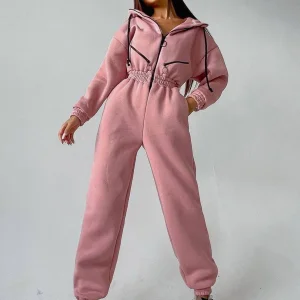
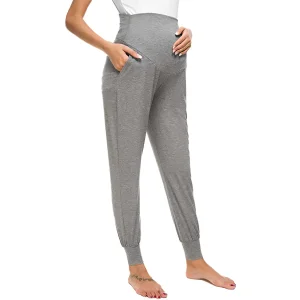
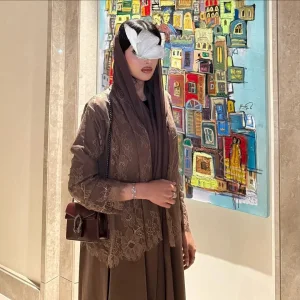
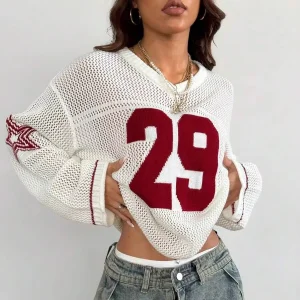
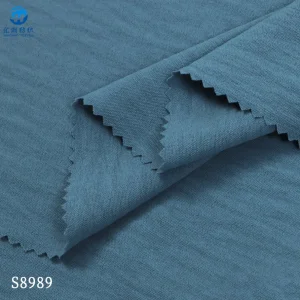
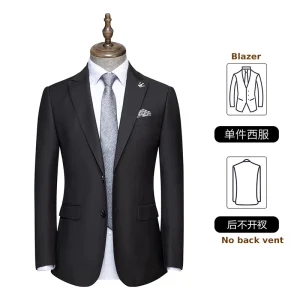
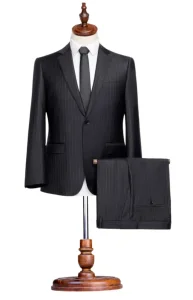
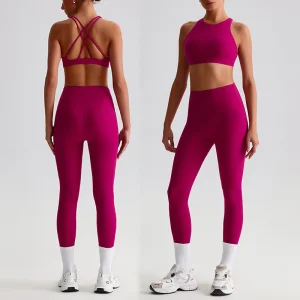
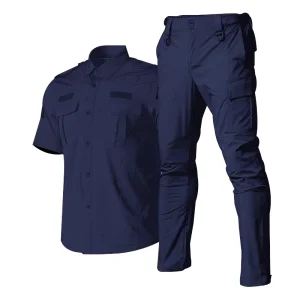
Explore our highly integrated product lines, bridging advanced textile engineering with high-performance accessories manufacturing.
How structural design, changing consumer dynamics, and materials science are redefining the global accessory market.
In the contemporary B2B retail landscape, the category of women's belts has transitioned from a purely functional waist-securing accessory to a critical, design-defining element of seasonal fashion. Modern procurement data indicates that fashion houses, high-street brands, and digital-first e-commerce platforms utilize belts as anchoring points to define silhouettes, offer styling versatility, and drive higher order value per collection basket. As the global demand for sustainable, high-durability accessories scales, global buyers must navigate a fragmented supplier ecosystem. Selecting a tier-one supplier requires looking beyond simple aesthetic appeal to investigate manufacturing certifications, structural material integrity, and regulatory compliance.
Global procurement teams from Europe, North America, and Japan face increasingly stringent import regulations. Sourcing women's belts is no longer just about aesthetic design; it requires rigorous supply chain transparency and product safety audits. Major global B2B purchasing criteria include:
The materials driving the women's belt sector are undergoing a profound shift toward circularity and advanced synthetics. B2B buyers are focusing on three main material categories:
A. Premium Full-Grain & Top-Grain Leather: Vegetable-tanned leathers are increasingly preferred for their natural aging characteristics and minimal chemical footprint. These materials are heavily used in premium corporate and casual capsule wardrobe collections.
B. Bio-Based Vegan Alternatives: As traditional PU (Polyurethane) faces scrutiny for its environmental impact, advanced suppliers are offering bio-based alternatives derived from apple skin, pineapple fibers (Piñatex), and mushroom mycelium. These materials deliver the hand-feel of genuine leather while aligning with the ESG policies of forward-thinking brands.
C. Recycled Polyester (RPET) & Engineered Webbing: For athletic and casual streetwear belt programs, recycled synthetic fibers are the standard. Utilizing RPET crepe fabric and high-density webbing allows suppliers to create durable, water-resistant utility belts with custom hardware setups.
Leveraging automated production, rapid prototyping, and vertical integration to manage global macro-economic volatility.
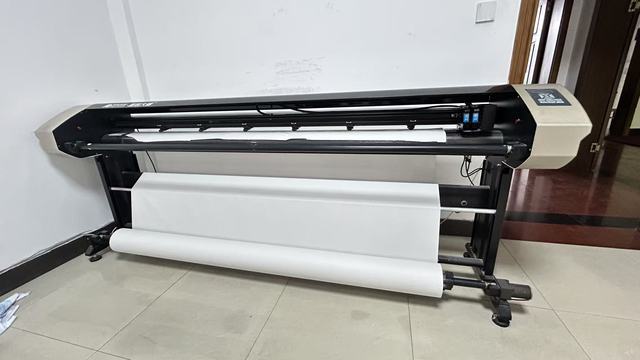
By implementing robotic edge-painting and programmable CNC stitching machines, advanced Chinese manufacturing hubs eliminate human error. This guarantees uniform stitching density, seamless edge finishes, and exceptional structural durability across large production runs.
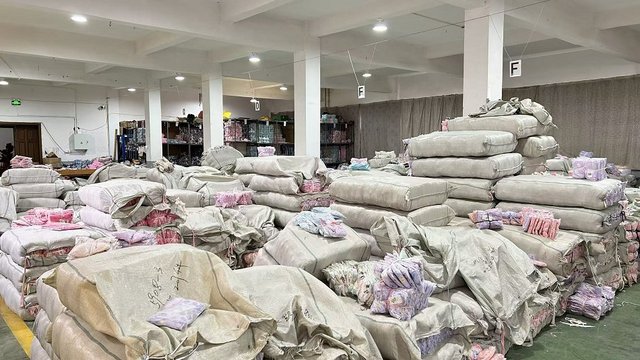
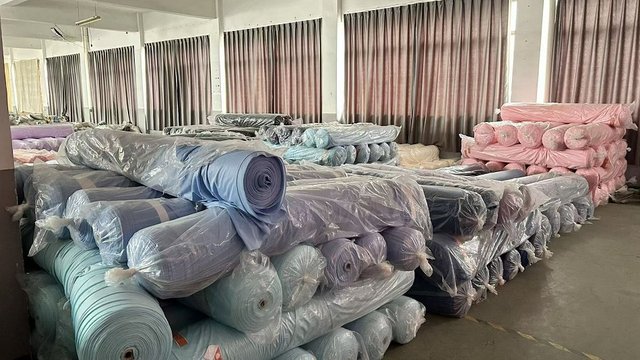
Foshan, a critical garment and accessories manufacturing hub, offers unparalleled access to raw materials, dye houses, and custom metal mold casting. This geographical clustering reduces component transit times and domestic logistics costs, translating to highly competitive FOB rates.
Traditional manufacturing required huge MOQs that risked deadstock. Industry 4.0 integrations allow modern factories to run flexible production lines. This accommodates smaller, trend-driven initial orders (e.g., 300–500 units) with rapid replenishment capabilities once market demand is proven.
Tailoring belt collections to specific global consumer demographics and retail environments.
To successfully capture consumer market share, brands must differentiate their product lines based on localized styling habits and consumer environments. Successful global programs segment their collections into four key categories:
Popular in Metropolitan Europe and North America. These designs feature minimalist, 15mm to 25mm slim profiles, utilizing fine top-grain calfskin leather, polished gold or silver alloy buckle closures, and subtle, tone-on-tone edge stitching. These belts are engineered to pair with high-waisted dress pants and tailored blazers.
A staple for spring/summer fashion in Australia and coastal US regions. These collections feature wider (40mm+) profiles, detailed embossing, woven leather patterns, and antique-finished hardware. These belts are designed to cinch oversized shirts, sundresses, and denim collections.
A rapidly growing segment globally. Utilizing premium elasticized webbing, hidden stretch panels, or adjustable pinless buckle systems, these belts prioritize comfort. They adapt to fluctuating waistlines, offering support during pregnancy or active daily wear without sacrificing style.
Designed for outdoor enthusiast brands. These styles utilize high-strength nylon webbing, quick-release magnetic tension buckles (such as Fidlock-style systems), and built-in hidden pocket compartments. They are built for extreme durability in harsh environments.
Your strategic apparel and accessories partner for high-efficiency private label development.
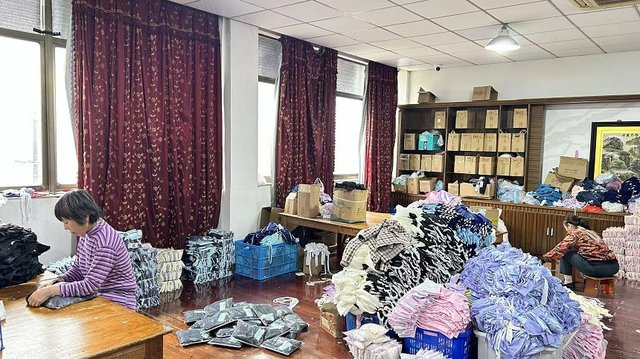
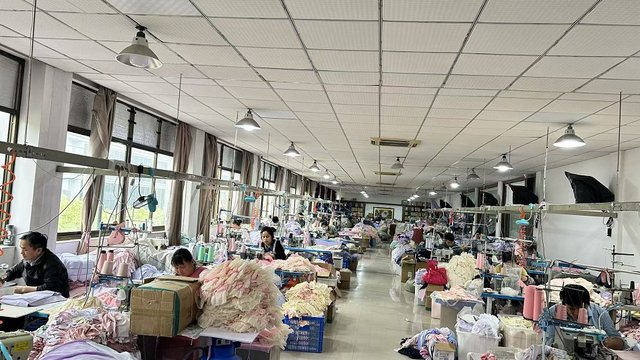
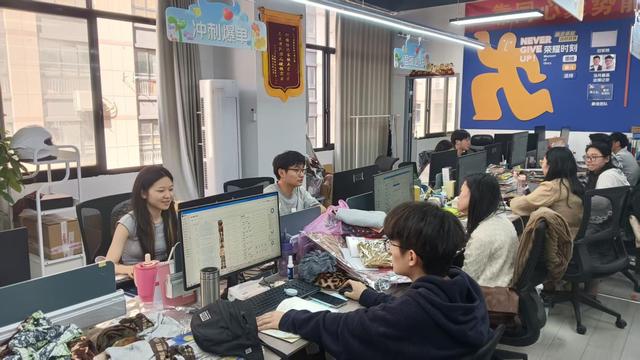
Foshan Yeg Vogue Co., Ltd. is a professional China women's apparel manufacturer specializing in the design, development, and production of fashionable, casual, and formal clothing for global fashion brands, wholesalers, retailers, e-commerce sellers, and private label businesses. Located in Foshan, one of China's important garment manufacturing hubs, we combine industry expertise, modern production capabilities, and trend-focused design to deliver high-quality apparel solutions for international markets.
Our product range covers a wide variety of women's apparel categories, including casual wear, business attire, formal wear, contemporary fashion, seasonal collections, knitwear, outerwear, and lifestyle garments. By closely monitoring global fashion trends and consumer preferences, we help customers create collections that align with market demands while maintaining strong brand identity and commercial value.
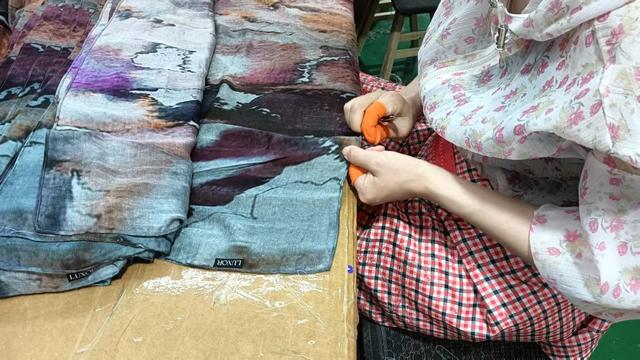
At Yeg Vogue, quality and consistency are at the core of everything we do. From fabric sourcing and pattern development to sample production, bulk manufacturing, and final inspection, every production stage is managed under strict quality control procedures. Our experienced team works closely with clients to ensure that every garment meets expectations for style, fit, comfort, and durability.
We provide flexible OEM and ODM manufacturing services designed to support both emerging fashion labels and established apparel brands. Whether customers require custom designs, private label production, or large-scale manufacturing, our efficient supply chain and scalable production capacity allow us to accommodate diverse business needs.
Serving clients across North America, Europe, Australia, the Middle East, and other international markets, Foshan Yeg Vogue Co., Ltd. is committed to building long-term partnerships through reliable service, competitive pricing, and innovative apparel solutions. Our mission is to help fashion businesses grow by delivering stylish, high-quality women's apparel that meets the evolving needs of today's global fashion industry.
Quick answers to common questions about compliance, design capabilities, minimum orders, and supply chain logistics.
A second curation of our versatile garment and materials lines, perfect for global multi-channel fashion operations.
 Yeg Vogue